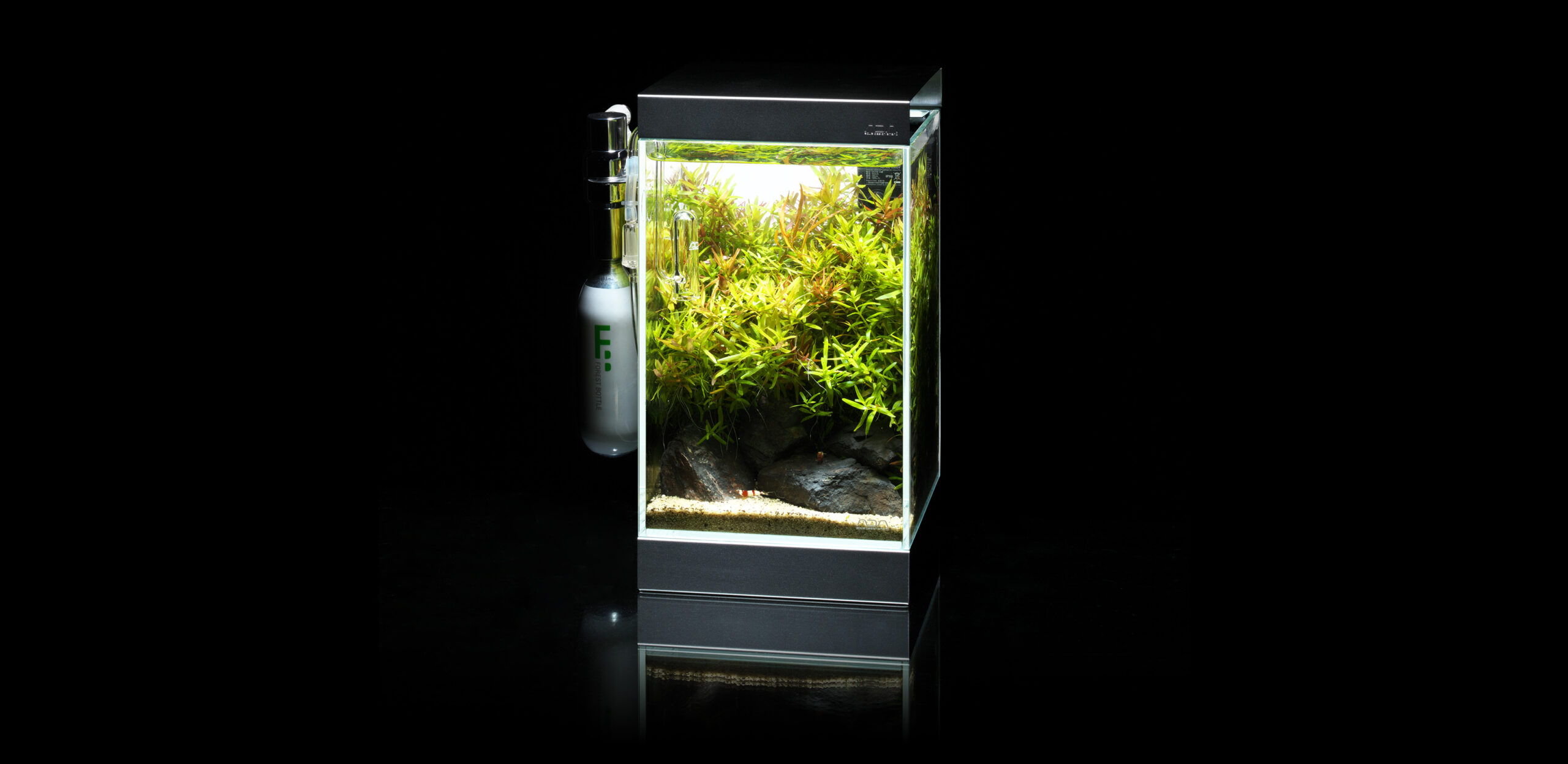
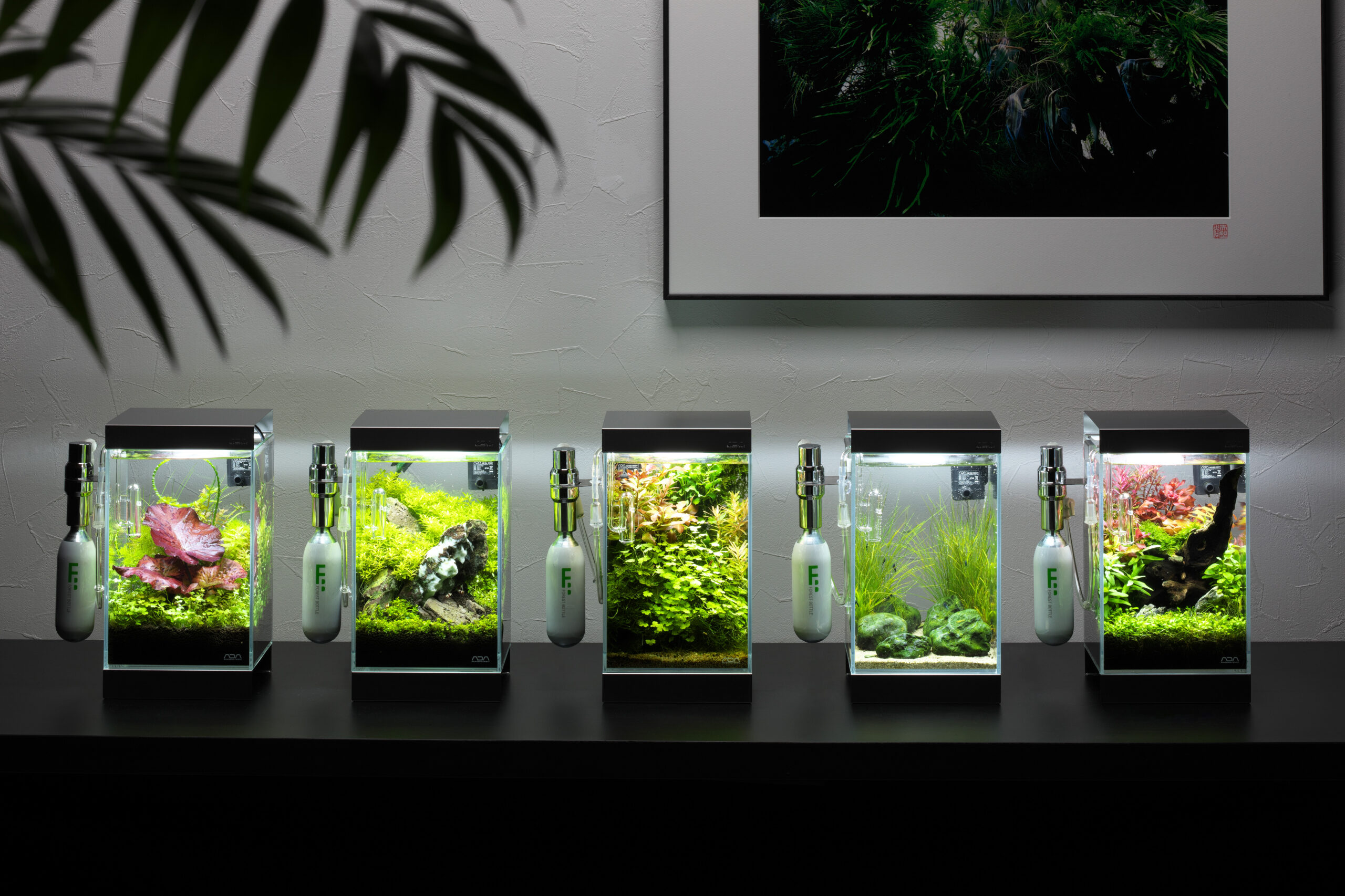
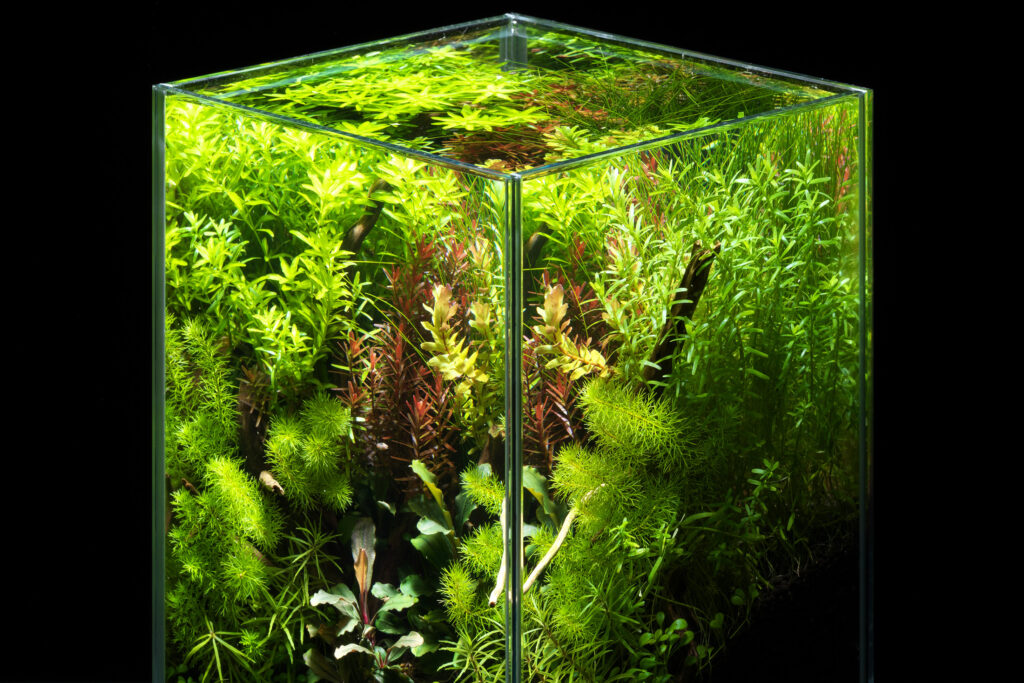
A small space, A big impact Experience the beauty of nature, condensed.
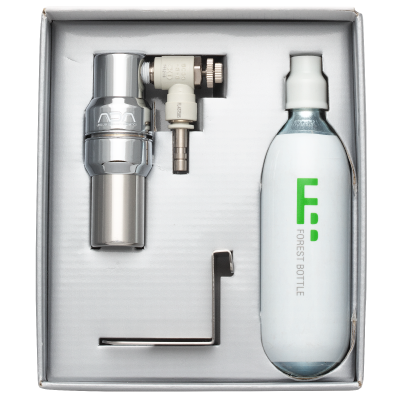
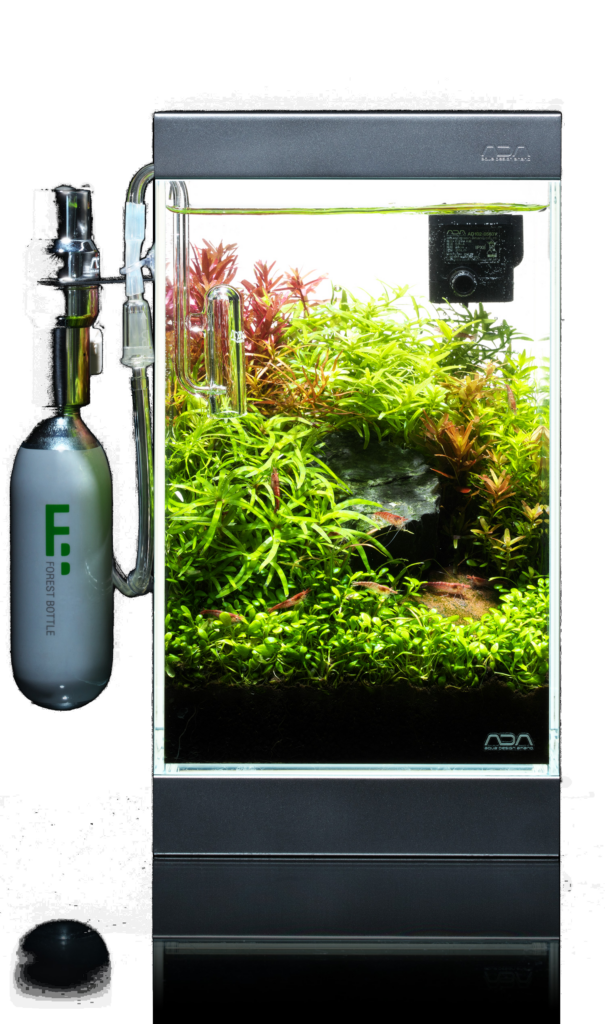
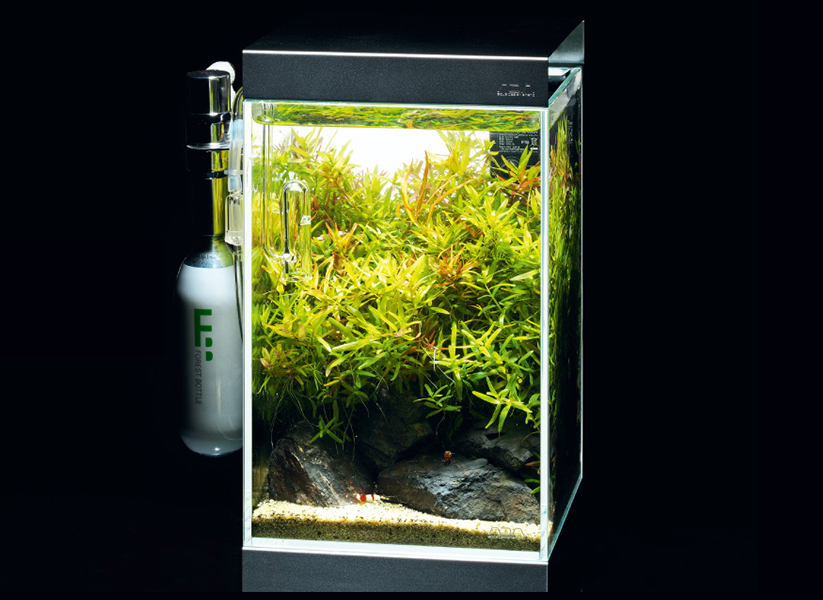
Bring a piece of nature indoors with the Mini NATURE AQUARIUM. This compact system offers a serene escape, complete with CO2 fertilization for a vibrant aquatic ecosystem. Experience the tranquility of a living water world in your home or office.
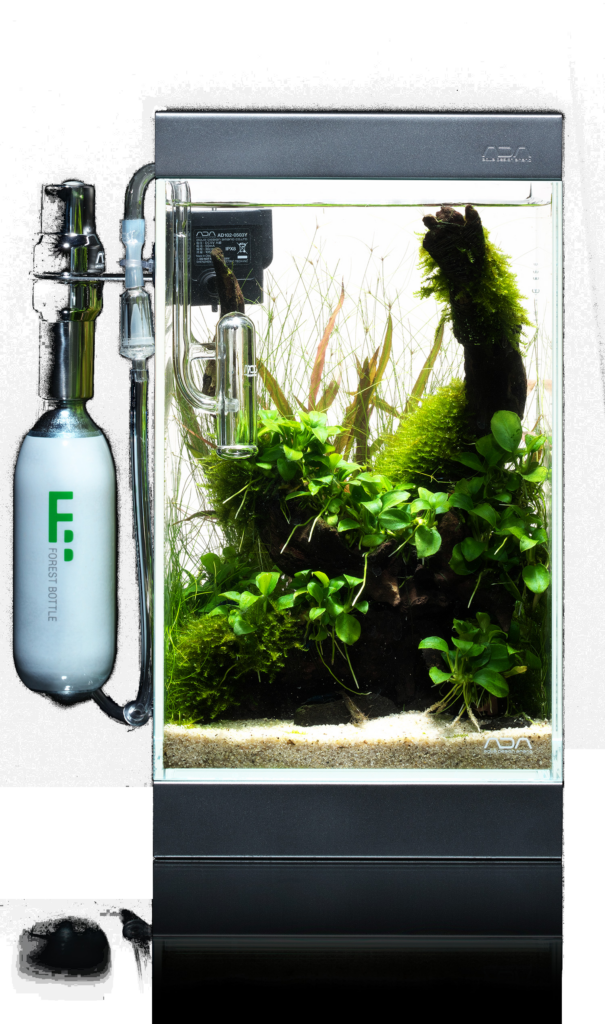
Aikhornia Diversifolia Rotala Red Rotala Fujian Green Rotala Echinodorus Tenellus Pearl glass Glossostigma elatinoides ※The ADA biological product lineup
Fauna
Cherry shrimp
DATA
Material
Slim wood Hornwood Piece (KUMU WO-02) Aqua Soil – Amazonia Ver.2 La Plata Sand Bacter R
Plants
Anubias Nana Petite Cryptocoryne Spiralis Tiger Eleocharis Vivipara South American Moss (Moss Bag)※ ※The ADA biological product lineup
Fauna
Orange Cherry Shrimp
DATA
Material
Aqua Soil – Amazonia Ver.2 Bacter R
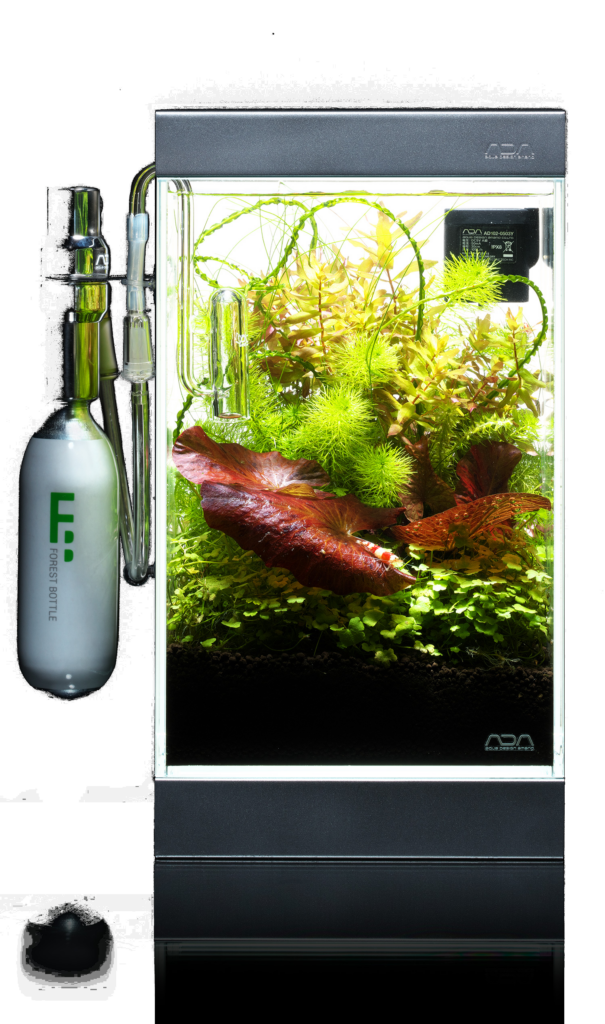
Plants
Tiger Lotus Red Crinum calamistratum Hydrocotyle tripartita Myriophyllum sp. Guyana Dwarf Rotala macrandra Green Hair Grass * ADA Living Product Lineup
Fauna
Red bee shrimp
HOW TO MINI NA
Substrate and Planting Tips
Substrate: Utilize the included Aqua Soil Amazonia Ver.2 to maintain a balanced nutrient level and minimize algae growth. A 20-25mm layer is ideal for most setups.
Plant Selection: Densely plant fast-growing stem plants to quickly absorb excess nutrients and reduce algae outbreaks. Consider using “BIO Mizukusa no Mori” aquatic plants for a clean and healthy aquarium.
Crafting the Perfect Light Environment
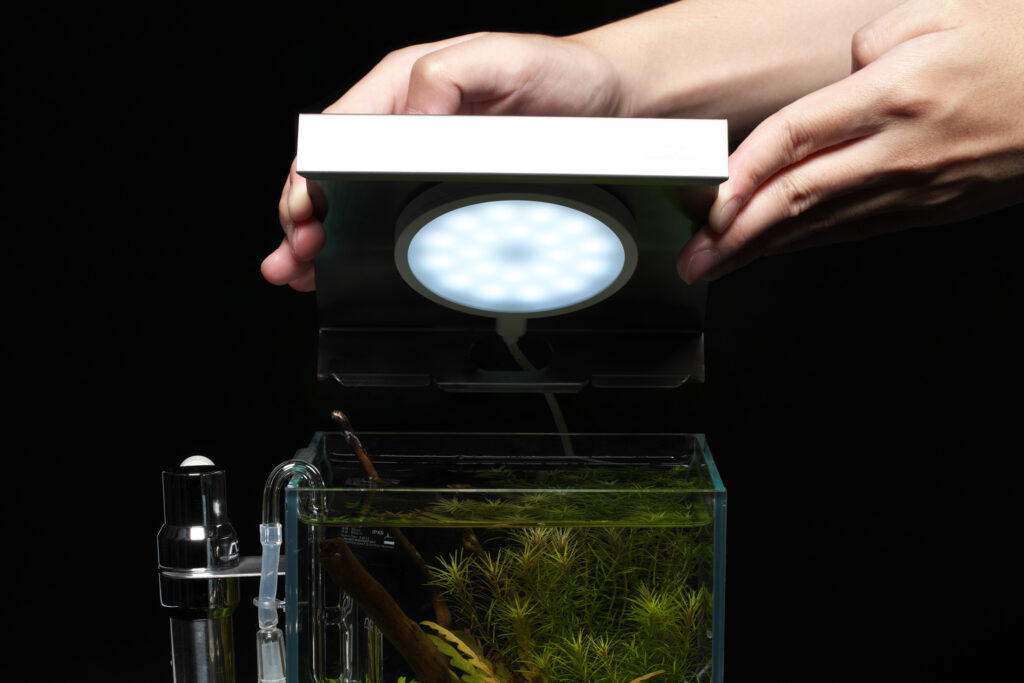
A Gentle Start: During the initial setup, a gentle light regimen is key. Set the Magnet Light G Slim to a low intensity (levels 2-4) and limit daily exposure to 6 hours to prevent algae blooms.
A Harmonious Balance: As your aquatic plants mature, you can gradually increase the light intensity and duration. However, it’s essential to avoid excessive light exposure, as this can lead to algae problems.
A Harmonious Start
A Stable Environment: Allow your aquarium to establish a stable water environment for four weeks before introducing any living creatures.
A Gentle Introduction: Rushing the process can negatively impact the health of your aquatic inhabitants and promote algae growth.
A Step-by-Step Guide to Water Changes
Establishing a Healthy Routine
To ensure optimal water quality and promote the health of your aquatic ecosystem, a regular water change schedule is essential. Here’s a breakdown of recommended water change frequencies based on the age of your tank:
Week 1-2: Perform daily water changes, replacing 50-67% of the tank water.
Week 3: Reduce the frequency to 2-3 times per week, changing 50% of the water each time.
Week 4 and Onward: Transition to weekly water changes, replacing 33-50% of the tank water.
Monitoring Water Parameters
While this schedule provides a general guideline, it’s crucial to monitor your water’s ammonia (NH4) and nitrite (NO2) levels. If these parameters exceed safe levels, increase the frequency of water changes accordingly.
Water Change Tips:
Gentle Siphoning: Use a siphon to remove water and debris from the substrate. This helps maintain water quality and prevent nutrient buildup.
Water Conditioner: Treat the replacement water with a water conditioner to neutralize chlorine and chloramine, which can be harmful to aquatic life.
Temperature Matching: Ensure the temperature of the replacement water is similar to the aquarium water to minimize stress on your aquatic inhabitants.
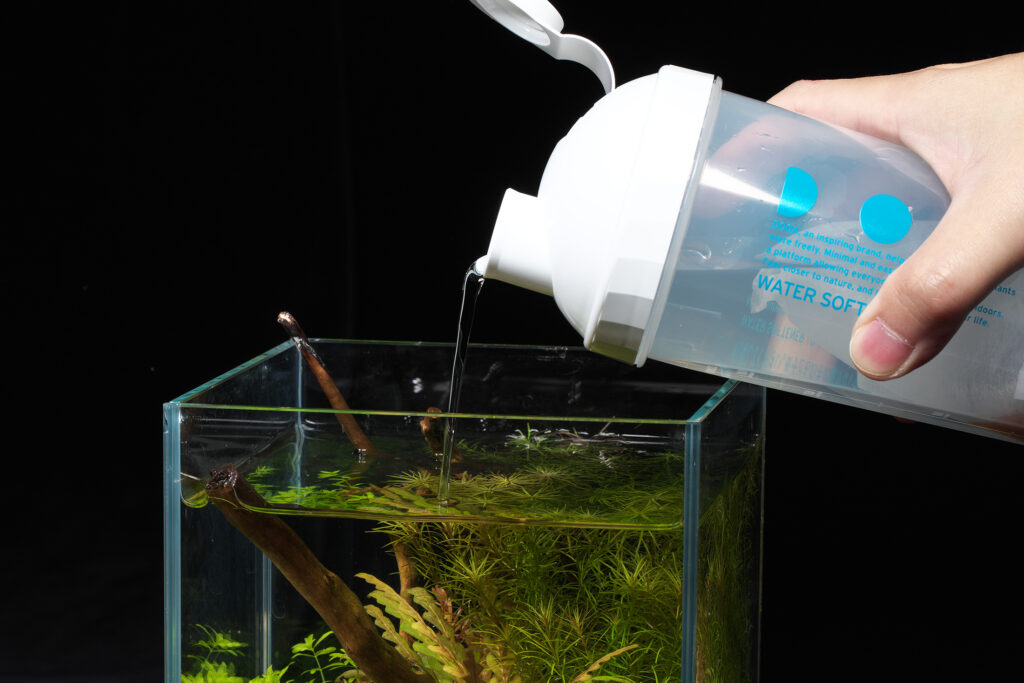
DOOA Water Softener: This product can help soften the water and prevent disturbances to the substrate during water changes.
By following these guidelines and paying close attention to your aquarium’s specific needs, you can create a thriving aquatic environment.
Optimizing CO2 Addition for Your Aquarium
Strategic Placement:
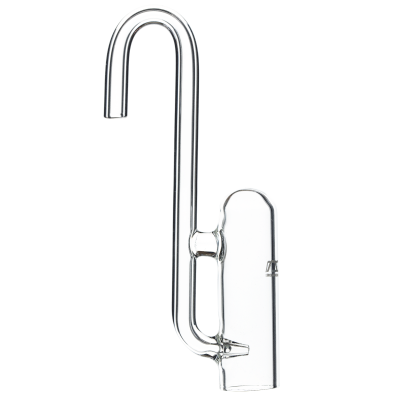
Position the Bellglass Mini within the water flow generated by the Stream Pump Mini. This ensures optimal CO2 diffusion throughout the aquarium.
Precise CO2 Dosing:
The Bellglass Mini offers precise control over CO2 addition. To maintain optimal levels, count the bubbles released by the unit and add one drop of CO2 solution every three seconds.
Caution: Overdosing CO2 can lead to excess gas release, so it’s essential to monitor the water’s CO2 levels and adjust accordingly.
Water Chemistry Considerations:
Water Hardness and Alkalinity: High levels of total hardness (TH) and carbonate hardness (KH) can hinder CO2 absorption. To improve CO2 uptake and plant growth, consider using a water softener or opting for soft water.
Water Temperature: Warmer water can absorb less CO2 than cooler water. Adjust your CO2 dosing strategy accordingly.
By carefully considering these factors, you can effectively utilize CO2 to enhance plant growth and create a thriving aquatic ecosystem.
Nourishing Your Aquatic Plants
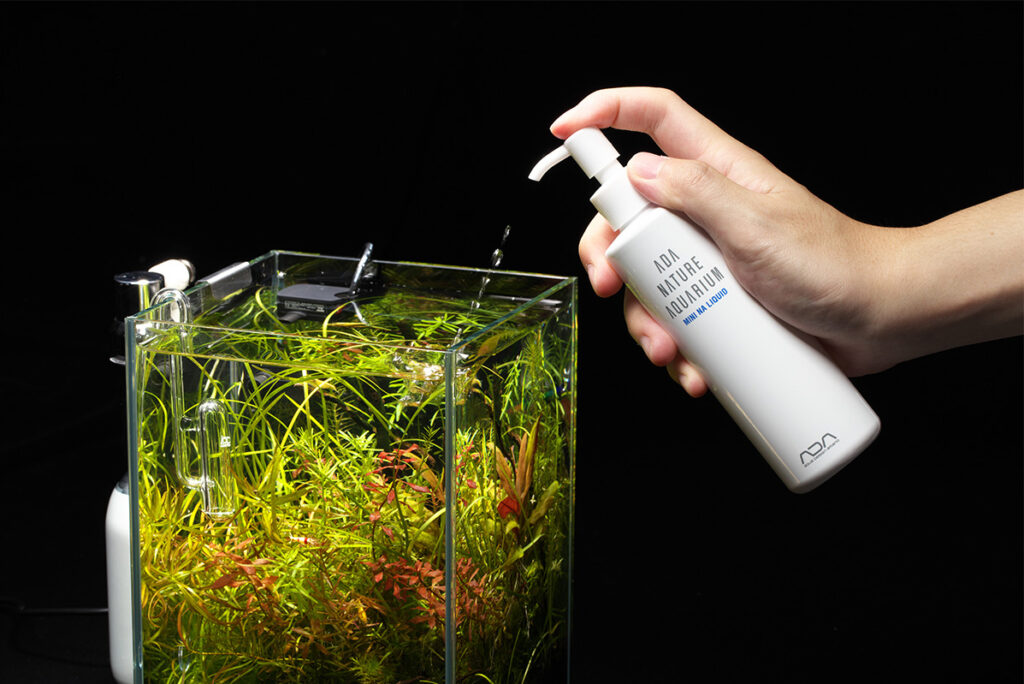
Mini NA Fertilizer delivers essential nutrients to fuel the growth of your aquatic plants. Its tailored formula and precise dosing ensure optimal plant health and vibrant coloration.